
Welcome to Study Levantine Arabic School FAQ page. Here, you can find answers to common questions about learning Levantine Arabic (Shami / ʿAmmiyya), our native Arabic tutors, online courses, and in-person learning opportunities in Palestine, Jordan, Germany, and Syria.
Table of Contents
1. What is Study Levantine Arabic School?
Study Levantine Arabic School specializes in teaching Levantine Arabic (Shami / ʿAmmiyya), the spoken Arabic used in everyday life across Palestine, Jordan, Syria, and Lebanon. We offer online courses and in-person learning opportunities designed to help students communicate naturally and confidently. Our native Arabic tutors teach the dialects they speak, combining practical language instruction with cultural understanding and real-life conversation.
2. Can I learn Levantine Arabic online with native Arabic tutors?
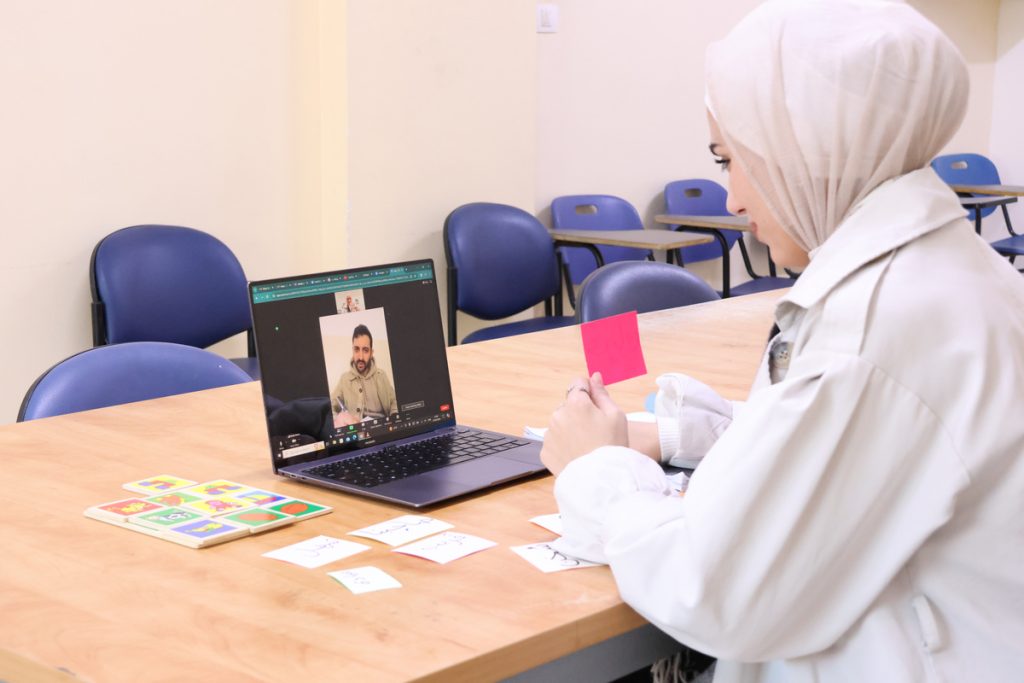
Yes! Study Levantine Arabic School offers online Levantine Arabic courses with native Arabic-speaking tutors from across the Levant. You can learn from anywhere in the world while developing your speaking, listening, pronunciation, and conversational skills. Our online lessons focus on authentic spoken Arabic, helping you communicate more naturally with native speakers.
3. Where can I study Levantine Arabic in person?
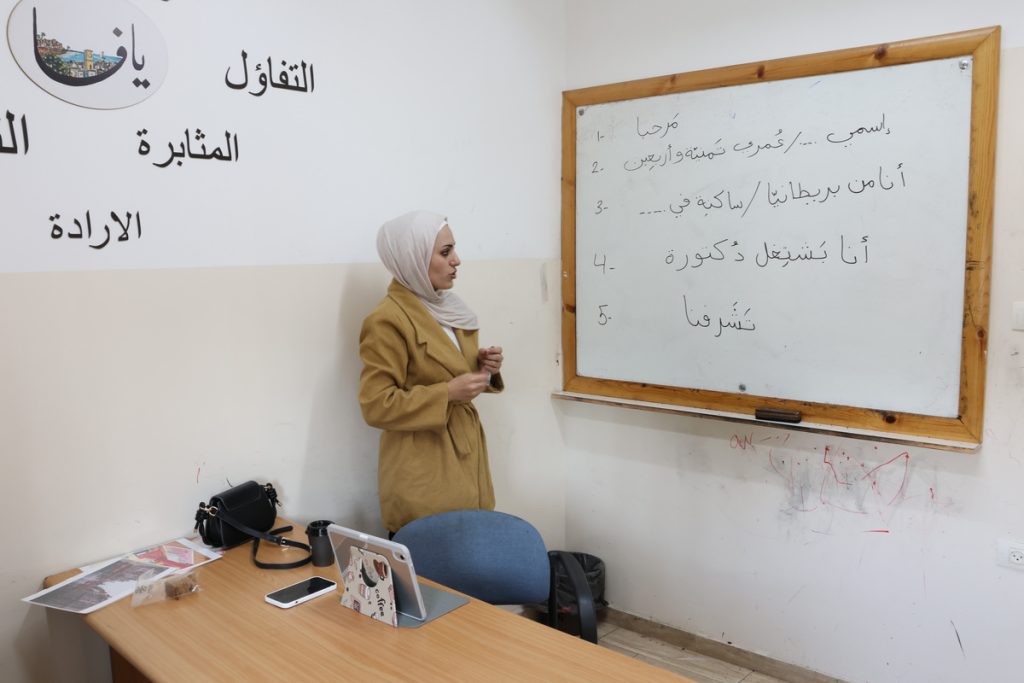
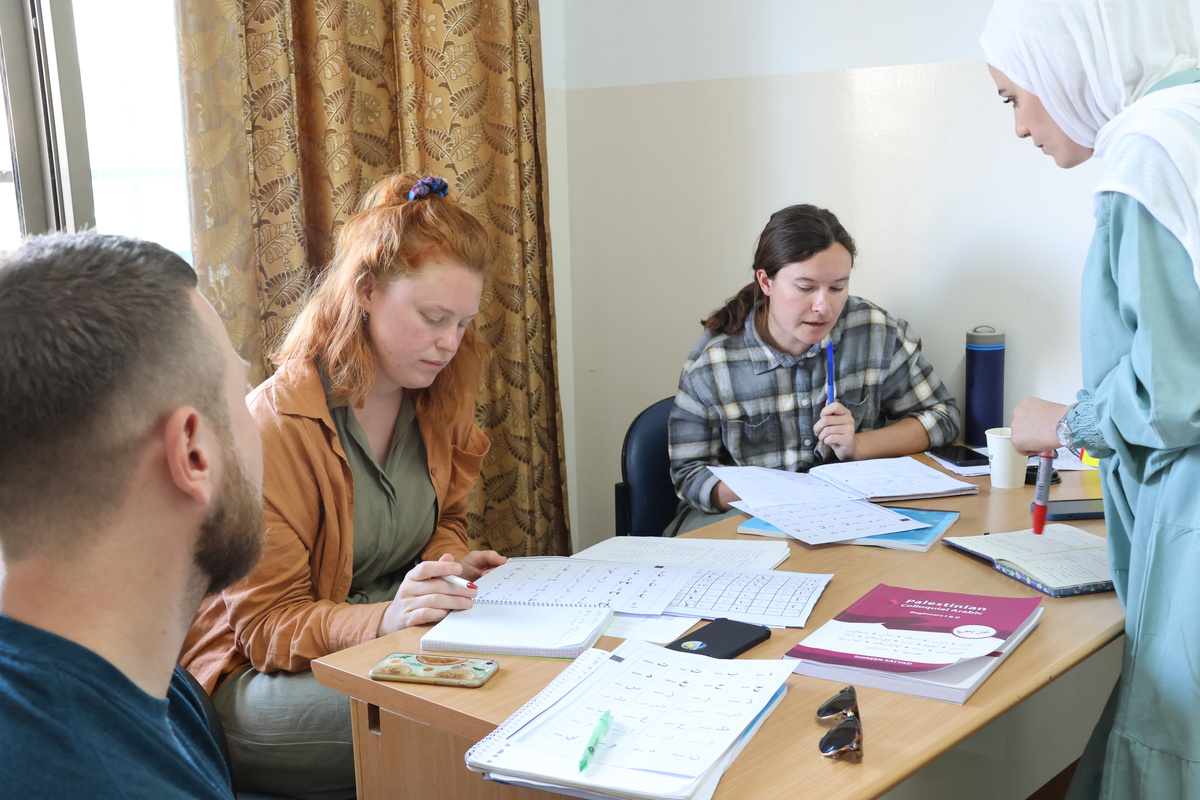
Study Levantine Arabic School offers in-person Levantine Arabic learning opportunities in four countries: Palestine, Jordan, Germany, and Syria. These opportunities allow students to study Arabic while experiencing the language and culture in a classroom or immersive learning environment. Contact us for current locations, course dates, and availability.
4. Which Levantine Arabic dialects can I learn?
We specialize in the four main varieties of Levantine Arabic: Palestinian, Jordanian, Syrian, and Lebanese Arabic. Our native tutors help students learn authentic colloquial Arabic as it is spoken in each country. You can choose the dialect that best matches your travel plans, family connections, cultural interests, or professional goals.
5. Do you offer Jordanian Arabic courses with native Jordanian tutors?
Yes, we offer learning options focused on Jordanian Arabic with native Jordanian tutors, subject to tutor and course availability. Students learn everyday Jordanian expressions, pronunciation, vocabulary, and conversational structures used in daily life in Jordan. These lessons are ideal for learners planning to visit Jordan, live there, or communicate with Jordanian friends, colleagues, and family members.
6. Can I learn Syrian colloquial Arabic with a native Syrian tutor?
Yes, our Syrian Arabic learning options focus on spoken Syrian colloquial Arabic with native Syrian tutors. Students can develop their understanding of Syrian pronunciation, common expressions, everyday vocabulary, and natural conversation. This is an excellent option for anyone interested in Syrian culture or seeking to communicate more comfortably with Syrian Arabic speakers.
7. Do you offer Palestinian Arabic lessons with native Palestinian tutors?
Yes, Palestinian Arabic is a key part of our Levantine Arabic teaching focus. With native Palestinian tutors, students can learn everyday Palestinian expressions, pronunciation, vocabulary, and conversational patterns. Our practical approach helps learners communicate with Palestinian speakers and develop a deeper understanding of Palestinian culture and daily life.
8. Can I learn Lebanese Arabic with a native Lebanese tutor?
Yes, our Levantine Arabic program includes Lebanese Arabic learning options with native Lebanese tutors, subject to availability. Lessons can focus on colloquial Lebanese expressions, pronunciation, vocabulary, and conversational skills used in everyday situations. This option is suitable for students interested in Lebanon, Lebanese culture, or communicating with Lebanese friends, colleagues, and family members.
9. What is the difference between Levantine Arabic and Modern Standard Arabic?
Modern Standard Arabic is mainly used in formal writing, news, literature, and official communication. Levantine Arabic is the spoken Arabic used in everyday conversations across Palestine, Jordan, Syria, and Lebanon. At Study Levantine Arabic School, we specialize in colloquial Levantine Arabic, helping students learn practical expressions and conversational skills for real-life communication.
10. Is Levantine Arabic suitable for beginners?
Absolutely! Our Levantine Arabic learning options are suitable for beginners as well as students who already have some Arabic knowledge. Beginners can start with greetings, introductions, everyday vocabulary, and simple conversations. With regular practice and guidance from a native tutor, you can gradually build the confidence to communicate in authentic spoken Arabic.
11. How long does it take to learn Levantine Arabic?
The time required to learn Levantine Arabic depends on your starting level, study schedule, learning goals, and opportunities to practice. Regular lessons with a native tutor and consistent conversation practice can help you develop useful speaking and listening skills. Reaching advanced fluency generally requires sustained study and exposure to the dialect.
12. Do you offer intensive Levantine Arabic courses?
Yes, intensive Arabic programs are among our educational offerings. These programs are designed for learners who want to dedicate more time to developing their Arabic skills through concentrated study and frequent practice. Contact us for information about current intensive courses, locations, duration, and enrollment options.
13. Can I study Levantine Arabic during the summer or winter?
Yes, our program offerings include seasonal learning opportunities, including summer and winter Arabic courses. These programs can be suitable for students, travelers, and professionals who want to focus on Arabic during a particular period. Contact us to confirm upcoming dates, available locations, and course formats.
14. Do you offer private Levantine Arabic lessons?
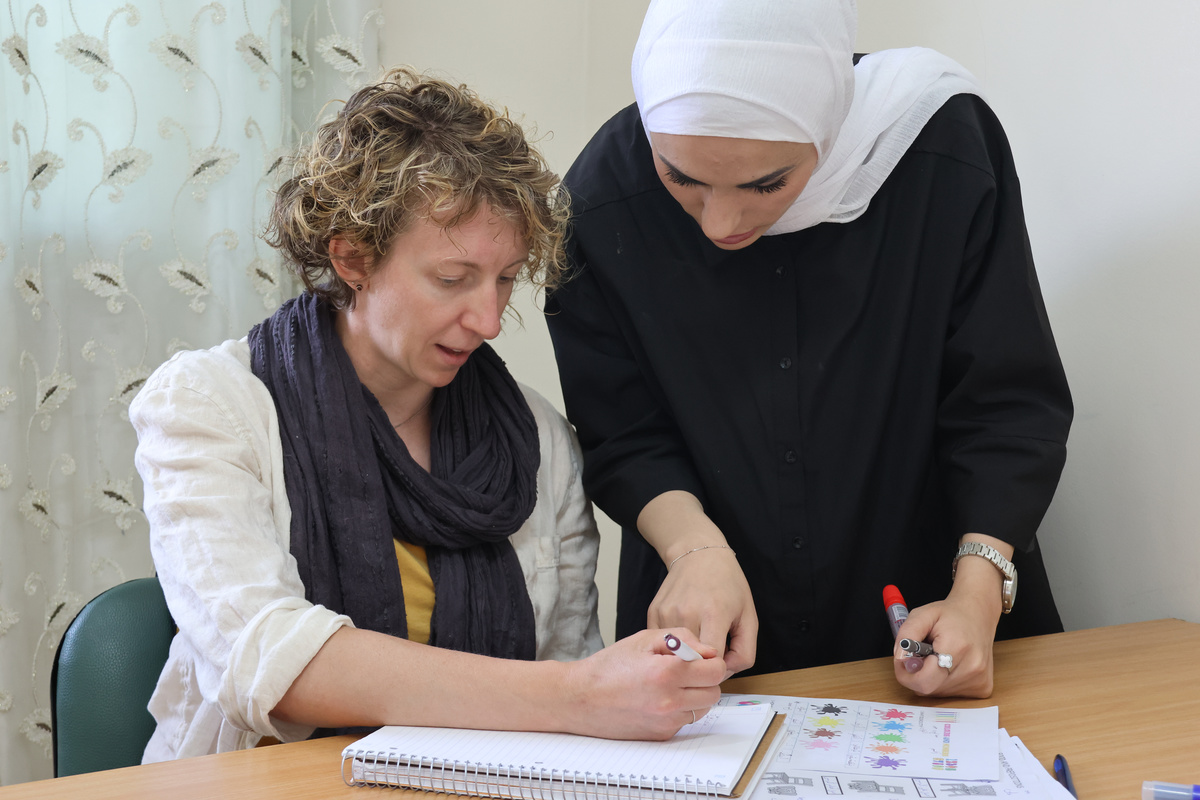
We can help you explore lesson options tailored to your individual learning goals. Private or one-to-one lessons, where available, can allow you to focus on a specific dialect, pronunciation, conversation, or professional language needs. Contact our team to discuss current availability and suitable arrangements.
15. Can I book a free trial lesson?
You can visit our Free Trial Lesson page to learn about the introductory lesson options available through Study Levantine Arabic School. A trial lesson can help you discuss your goals, explore the teaching approach, and identify a suitable learning path before enrolling.
Book or learn more here: https://levantinearabic.org/free-trial-lesson/
16. How much do Levantine Arabic courses cost?
Course prices depend on the format, duration, number of lessons, and type of program. Online lessons and in-person programs may have different fees. Contact Study Levantine Arabic School for current prices and details about available courses, schedules, and enrollment arrangements.
17. Can I learn Levantine Arabic before traveling to Palestine, Jordan, Syria, or Lebanon?
Yes! Learning Levantine Arabic before traveling can help you communicate more comfortably with local people. Our courses focus on practical expressions, greetings, directions, everyday vocabulary, and natural conversation. You can choose the dialect most relevant to your destination and prepare for a more engaging cultural experience.
18. Do your Levantine Arabic courses include cultural learning?
Yes, cultural understanding is an important part of our approach to language education. Alongside vocabulary, grammar, and conversation practice, we emphasize authentic expressions, social contexts, and everyday communication. Learning with native tutors can also help you understand regional differences and how spoken Arabic is used in real situations.
19. How can I choose the right Levantine Arabic dialect?
The best dialect depends on your personal goals. If you plan to live in Jordan, Jordanian Arabic may be the best choice. If you have family or professional connections in Syria, Palestine, or Lebanon, you may prefer Syrian, Palestinian, or Lebanese Arabic. Our team can help you explore available courses and identify a suitable tutor based on your interests and learning objectives.
20. How can I enroll in a Levantine Arabic course?
Getting started is simple. Explore our online and in-person learning options, decide which dialect you want to study, and contact our team to discuss your goals, schedule, and preferred learning format. We can help you identify suitable options and provide information about current course availability.